es
es en
en fr
fr pt
pt it
it
Shopping Cart
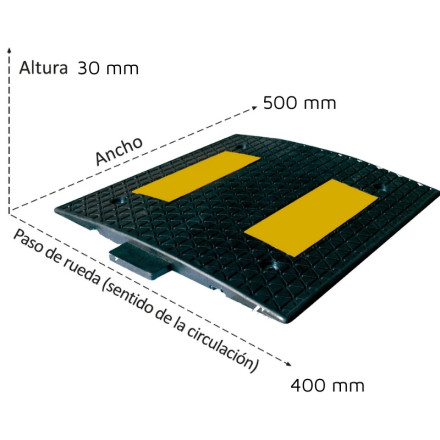

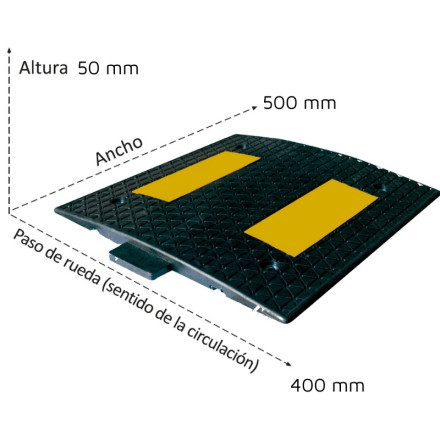
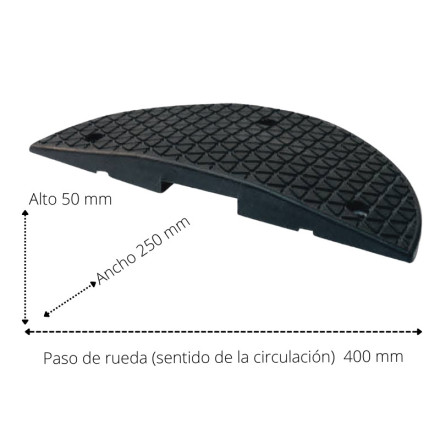
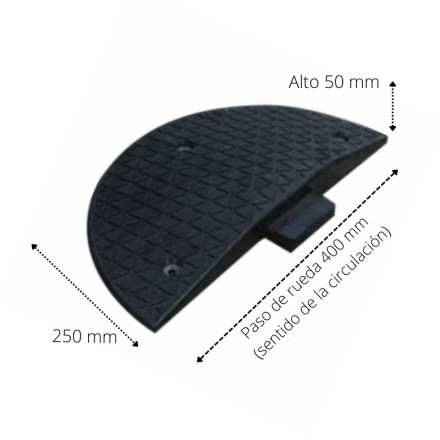
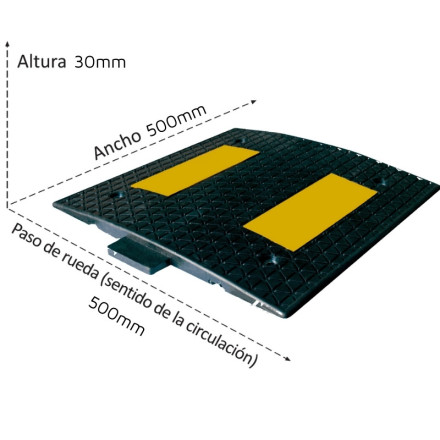
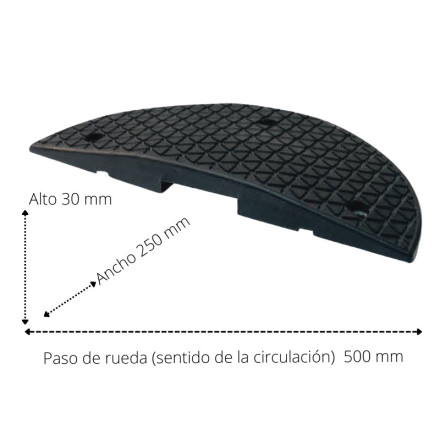
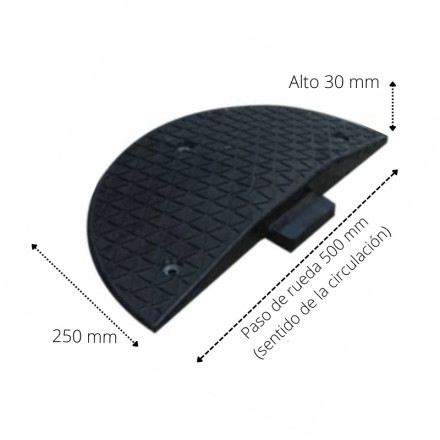
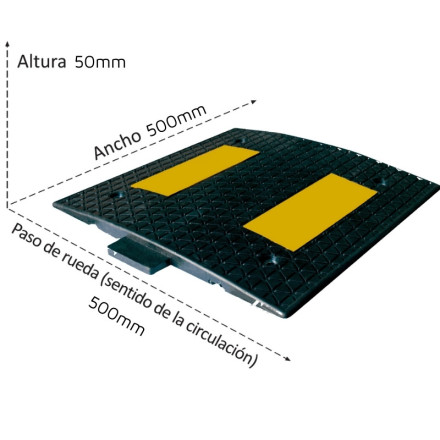
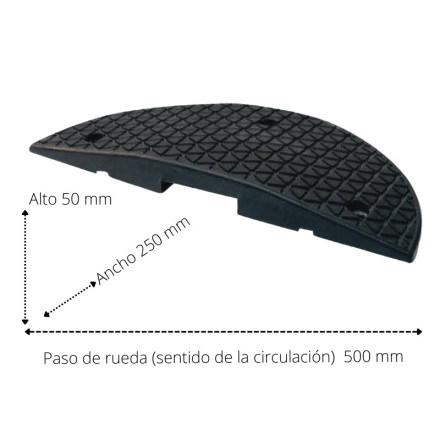
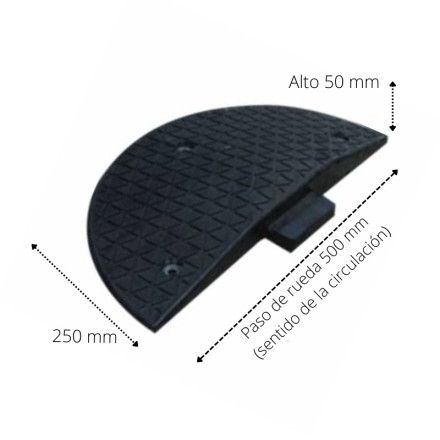
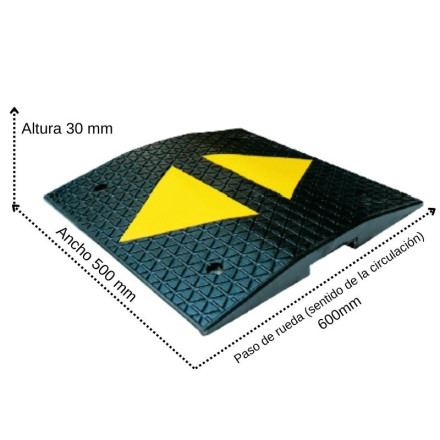
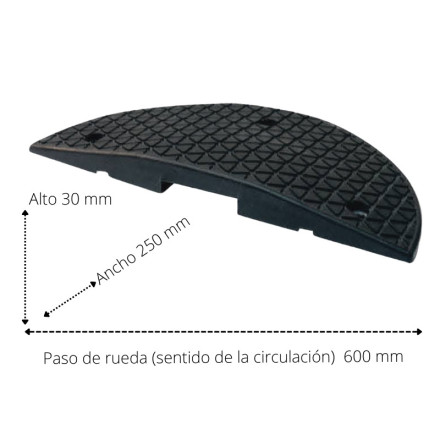
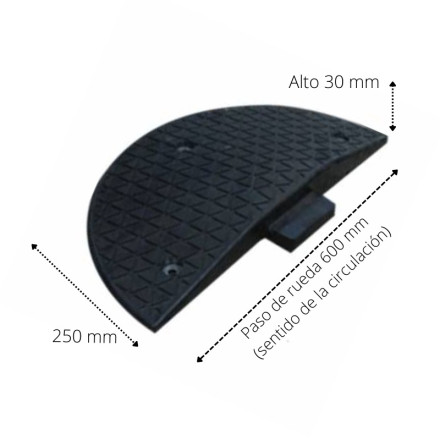
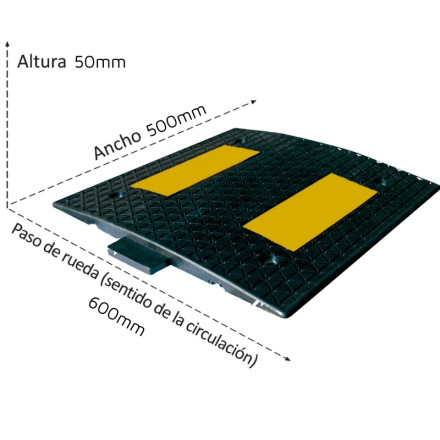
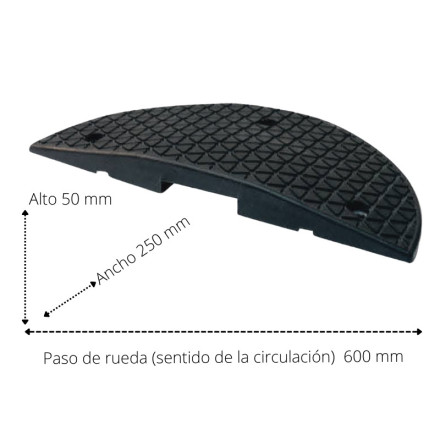
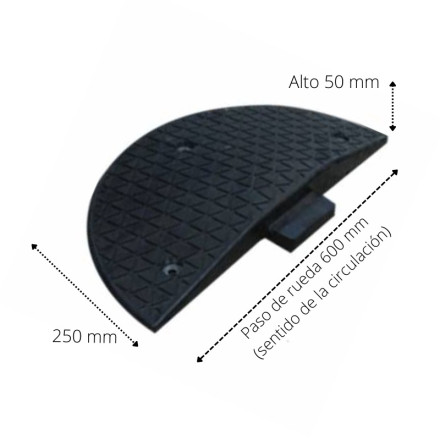
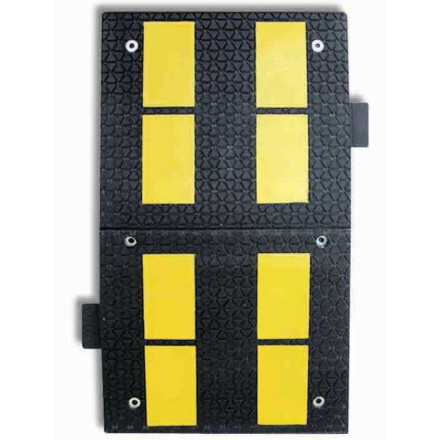
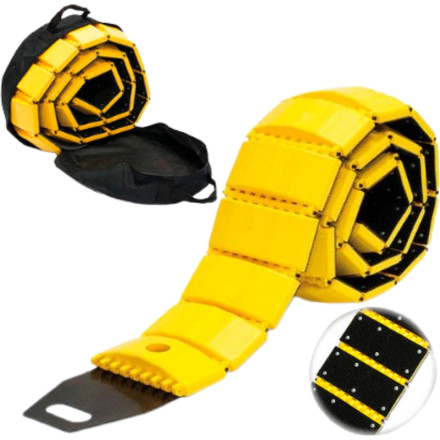
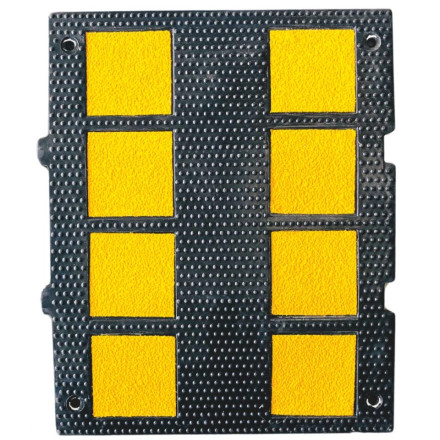
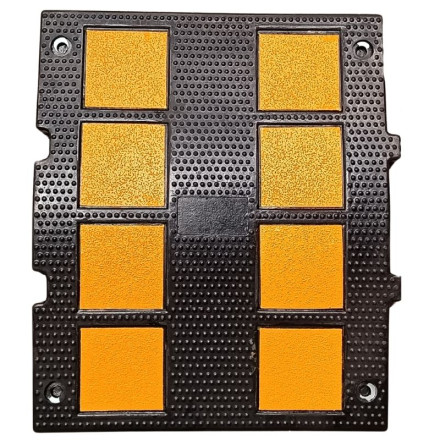
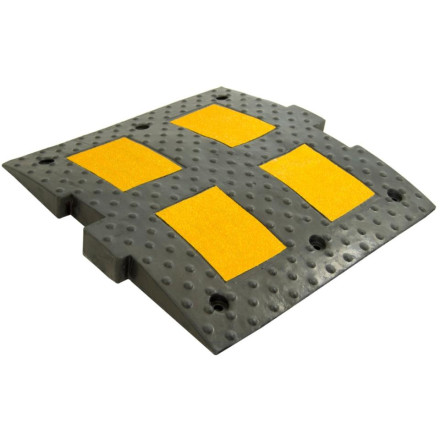
Speed reducers, also known as speed bumps, force drivers to reduce the speed of their vehicles on the road, in areas where there is a risk for pedestrians or at crossing zones.
These devices are installed in areas where there is a risk for pedestrians or at frequently crossed locations.
The main function of speed reducers is to promote road safety by obliging drivers to reduce speed and be more attentive to their surroundings. By causing vehicles to slow down, the risk of accidents is reduced and the protection of pedestrians and other road users is improved.
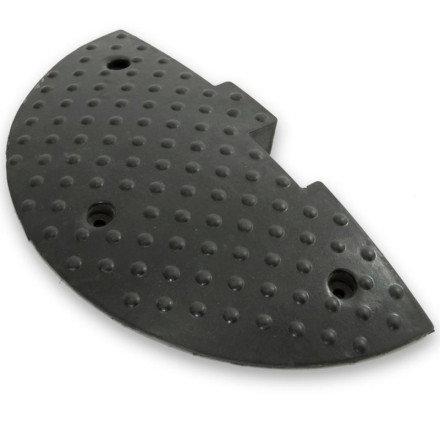
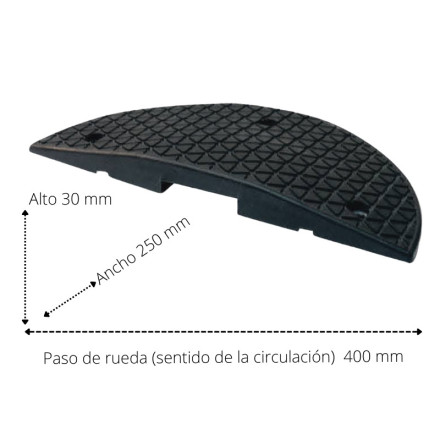
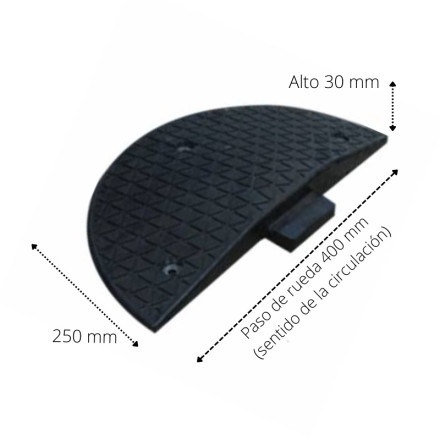
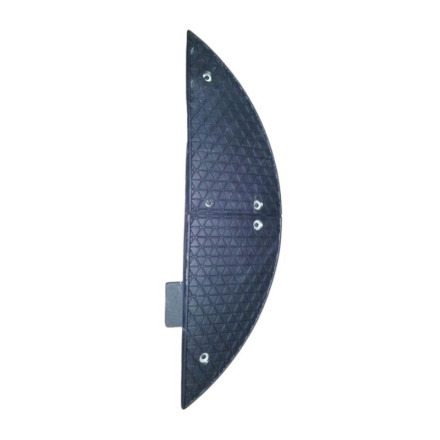
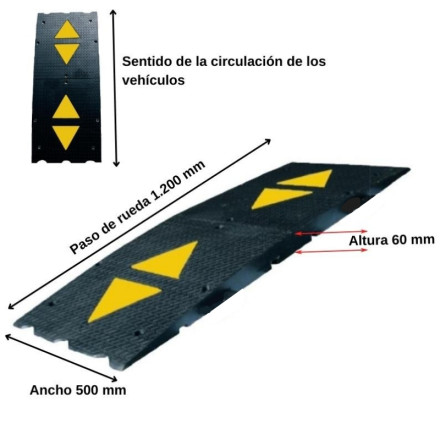
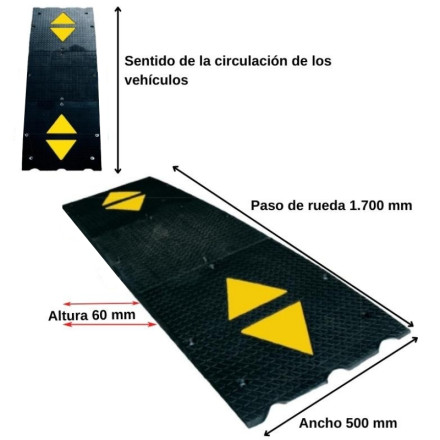
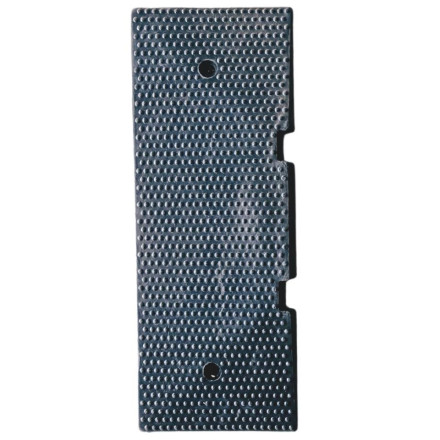
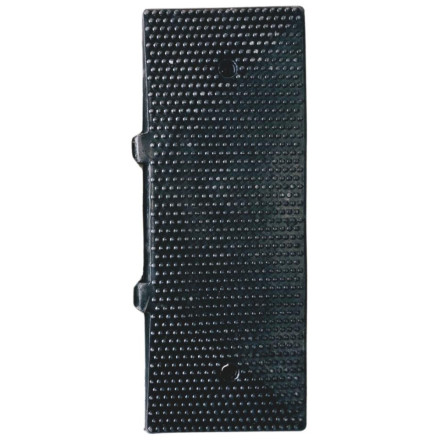
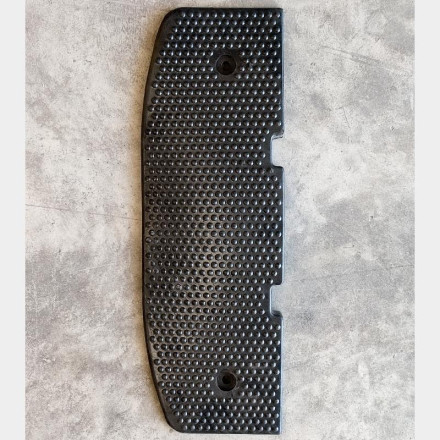
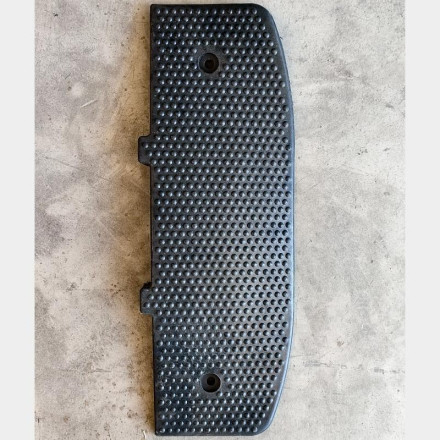
These speed reducers usually have an elevated shape on the road, like a "speed bump," which forces drivers to reduce their speed when passing over them. They can also be marked with road markings and warning signs to alert drivers of their presence. They are typically composed of three main pieces: the central piece and the male and female terminations. The central piece is the raised section of the speed bump that is placed on the road. The male and female terminations are the sections at the ends of the speed bump that connect to each other, allowing for continuity and stability of the structure. These terminations are designed to fit securely, ensuring that the speed bump remains firm and stable in its place. The combination of these three pieces forms the complete speed bump, providing an effective obstacle to improve road safety in specific areas.
They are especially common in residential areas, school zones, parks, and pedestrian crossing areas. Their installation helps create safer and more protected environments, promoting coexistence between pedestrians and vehicles.